
🚀 The Missing Ingredient in High-Performance Teams: Autonomy
Updated: Aug 28
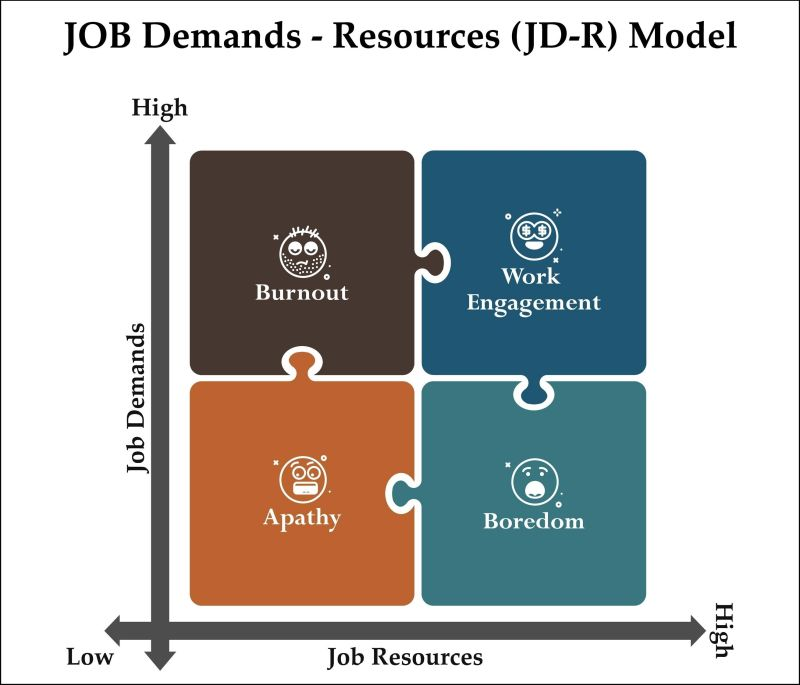
We talk a lot about employee engagement, but we often miss the engine that actually drives it. Most leadership teams focus on what needs to be done, but the real magic happens when you stop dictating the how!
In the world of organisational psychology, this is a cornerstone of the ‘Job Demands-Resources (JD-R) Model’.
🧠 The Science of "Letting Go"
The JD-R model suggests that while every job has demands (stressors), autonomy acts as a critical "job resource" that buffers against burnout. When you give an employee control over their workflow, you aren't just being "nice"—you are fundamentally changing their brain chemistry 🧪.
Why Autonomy Wins? 3 Psychological Truths:
1️⃣The Endowment Effect: We value things more when we feel a sense of ownership over them. When an employee "owns" the process of reaching a goal, they are psychologically more committed to the outcome.
2️⃣The Trust Loop: According to Self-Determination Theory (SDT), autonomy is a basic human need. When leadership grants autonomy, it signals trust. This triggers a reciprocity reflex: the employee feels a stronger sense of loyalty and pride in their output.
3️⃣Cognitive Flexibility: Micro-management creates "threat rigidity," narrowing a person's focus and killing creativity. Autonomy opens up the prefrontal cortex, allowing staff to use their unique skills and competencies to problem-solve effectively.
The Goal: Set the destination, but let your team drive the car 🚙
Putting it into Practice:
We aren't talking about "free rein" or a lack of structure. We are talking about Empowered Accountability 💪:
1️⃣Define the 'What': Be crystal clear on the objectives and KPIs.
2️⃣Trust the 'How': Let them navigate the path using their expertise.
3️⃣Support the Journey: Provide the resources, then step back.
When people feel empowered and trusted by the top, they don't just work harder—they thrive 🌻



Comments