
Stop "Fixing," Start Listening: The Science of High-Performance Team
Updated: Aug 28
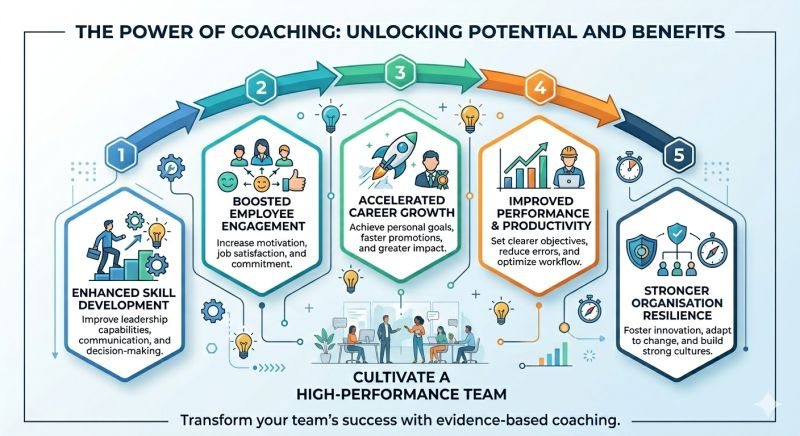
Many managers believe they are great listeners. But there is a massive difference between hearing someone and active listening. 🧠 Research suggests that most people only remember about 25% to 50% of what they hear. For a manager, that means missing half of the vital information their team is trying to share. 📉
The Psychology of Growth: Why Solutions Kill Creativity 🚫💡
True active listening is the art of holding space without the immediate urge to offer solutions. When you jump in to "fix" a problem, you may inadvertently trigger the "Dependency Loop."
The Self-Determination Theory (SDT): Proposed by psychologists Deci and Ryan, SDT highlights that autonomy is a core human need. When a manager "spoon-feeds" solutions, they strip the employee of autonomy. 🛑
The Result: Motivation plummets. Conversely, when you use active listening and coaching questions, you trigger the brain’s reward system, leading to higher engagement and "aha!" moments. ✨
Why this shift is a win-win-win: 🏆
1️⃣For the Manager: You transition from "chief fire-fighter" to an enabler. By reducing dependency, you reclaim your own time. ⏳
2️⃣For the Employee: According to Self-Efficacy theory, solving a challenge independently builds a "can-do" mindset that persists through future obstacles. 💪
3️⃣For the Organisation: Relationships flourish. A study published in the International Journal of Listening found that active listening is directly correlated with increased trust and job satisfaction. 🤝
The Art of the "Quality Question" ✍️
Active listening is a skill that requires cognitive discipline. It demands that you listen not just for words, but for intent, while asking high-quality, "funnelling" questions. 🔍
If a session is used to hand out answers, you aren't coaching; you're managing a checklist. This prevents people's development from happening where it matters most: in the daily flow of work. 🌊
Is your leadership team listening—or just waiting to speak? 🎤
Developing a coaching culture starts with mastering the simple mechanics of conversation. We help organisations transform their managers into high-impact coaches through evidence-based, hands-on training sessions. 🏫



Comments